
SkinRadX + Calvert Dermatology Non-Invasive Skin Cancer Treatment in Prince Frederick
Extensive Skin Cancer Treatment in Prince Frederick
Early detection is key when it comes to skin cancer. The sooner it’s diagnosed, the better your chances of catching it early and exploring less invasive treatment options. That’s why skin checks and paying attention to changes in your skin matter, especially here in Prince Frederick, where sunny days can mean plenty of UV exposure.
Once you have a diagnosis, our doctors take the time to understand your specific needs and overall health before creating a personalized treatment plan. At SkinRadX, we’re committed to providing precise, thoughtful care designed around you and supporting the best possible outcome.
Skin Cancer Treatment and Services in Prince Frederick
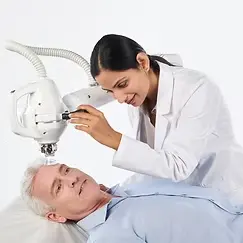
Looking for a skin cancer treatment that does not involve surgery? Image Guided SRT offers a non-invasive approach for certain basal and squamous cell skin cancers. The treatment uses precise imaging and targeted radiation to focus on cancerous cells while helping protect the healthy tissue around them.
For patients in Prince Frederick, this can be an appealing option when skin cancer develops in sensitive or difficult-to-treat areas. Image-guided SRT can also mean less recovery time compared with a surgical procedure.
Benefits include:
- Non-invasive treatment
- Less recovery time
- Precise treatment targeting
- Well-suited for sensitive or high-risk areas
If you’re considering an alternative to surgery, talk with your provider to see if Image-Guided SRT may be right for you. The benefits and results of this non-invasive treatment may make Image-Guided SRT the right option for you.
Early Detection in Prince Frederick
Skin cancer is often most treatable when detected early. Identifying suspicious or cancerous skin changes in their earliest stages may allow for less invasive treatment and better outcomes. If left undiagnosed, skin cancer can continue to grow deeper into the skin and, in some cases, spread to other parts of the body. More advanced skin cancers may require more extensive treatment, including surgery.
Regular skin exams can help identify suspicious areas before they become more serious. Be sure to pay attention to new, changing, or unusual spots, and contact a qualified dermatology professional if you notice a concerning change.
If you have a new or changing spot that needs evaluation, contact SkinRadX in Prince Frederick at 410-535-4561 to schedule an appointment.
SkinRadX and Calvert Dermatology
SkinRadX, in partnership with Calvert Dermatology, is proud to expand access to advanced dermatologic care for patients in Prince Frederick and throughout Calvert County. By bringing together specialized dermatology expertise and our commitment to innovative skin health treatments, the partnership supports a more connected and convenient experience for patients seeking evaluation and care.
Why Patients Choose SkinRadX
Our team is committed to helping patients access timely assessments and personalized treatment options based on their individual needs. From initial consultation through treatment and follow-up, patients can expect thoughtful, coordinated care designed to make the process as straightforward and accessible as possible. Book with us for care you can count on.
Skin Cancer Treatment FAQs in Prince Frederick
What are the signs of skin cancer?
Some common warning signs of skin cancer include a new or changing mole, a spot that changes in size, shape, or color, or a sore that doesn’t seem to heal. You should also have any spot that bleeds, crusts, or repeatedly scabs checked by a dermatology professional. If you notice any new or unusual changes to your skin, it’s best to have them evaluated.
Can skin cancer develop on areas that don't get much sun?
Yes. Skin cancer can develop on areas that don’t get much sun exposure, although UV exposure is a major risk factor. This is why it’s important to pay attention to your entire skin surface and have any new, changing, or unusual spots evaluated by a dermatology professional.
What happens during a skin cancer screening?
During a screening, your provider examines your skin for any new, changing, or unusual spots. If something looks concerning, additional evaluation or a biopsy may be recommended to determine whether it is skin cancer.
What is the cure rate of Image-Guided SRT for skin cancer?
Image-Guided SRT offers cure rates of up to 99% for certain basal and squamous cell skin cancers, providing a non-surgical alternative to surgery. Your provider can determine if SRT is right for you based on the type, size, and location of your skin cancer.